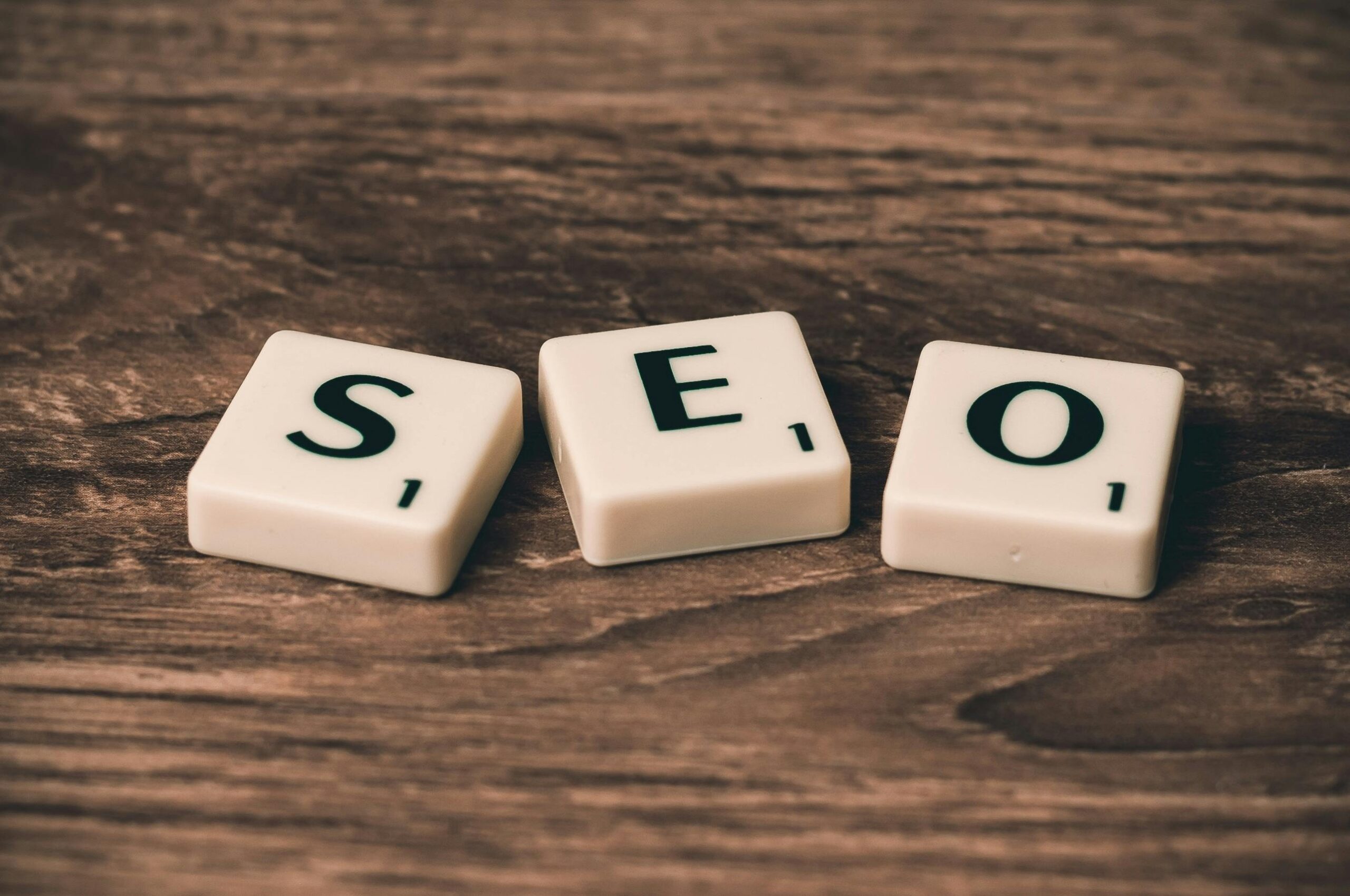
The term “search engine optimization” is SEO. SEO, to put it simply, is the act of making changes to your website so that it appears higher in Google, Microsoft Bing, and other search engines whenever someone searches for:
- products that you sell.
- Services that you offer.
- Details on subjects in which you possess extensive knowledge and/or experience.
The visibility of your pages in search results increases your chances of being discovered and clicked on. The ultimate objective of search engine optimization is to assist in drawing in website visitors who will either become repeat customers, clients, or customers.
What differentiates SEO from PPC and SEM?
Other phrases you’ll hear a lot in the search marketing field and here on Search Engine Land are SEM and PPC.
SEM versus SEO
Search marketing, also known as SEM, is the marketing technique I’m referring to..
Among the many forms of digital marketing is search marketing. The phrase serves as a catch-all for SEO and PPC combined efforts aimed at increasing visitors through sponsored and organic search.
Search marketing, to put it simply, is the process of using both paid and unpaid search engine optimization techniques to increase exposure and traffic.
What differences exist between SEO and SEM, then? Simply put, SEO is one half of SEM, thus technically they are the same.
SEO: Search engine optimization is the process of directing natural traffic from search engines.
SEM: In search engine marketing (SEM), we drive both sponsored and organic traffic from search engines.
Things start to get a little unclear at this point.
SEM and PPC, which we’ll discuss in the next section, are often used interchangeably nowadays.
This concept appears to outperform SEO. That being said, PPC and SEO are both forms of marketing.
The most suitable way to approach SEO and SEM is as follows:
Consider SEM to be a coin. One side of the coin is SEO. On the other hand is PPC.
PPC versus SEO
The term PPC refers to pay-per-click digital marketing, in which sponsors are billed each time a click is made on one of their ads.
Essentially, marketers place bids based on particular keywords or phrases that they like to be associated with when their ads show up in search engine results. Among the top results, the advertiser’s ad will show up when a user searches for one of those terms or phrases.
Thus, to return to our coin analogy, SEO and PPC are two sides of the same coin; SEO is the unpaid side, and PPC is the paid side.
Another crucial thing to remember is that these are complimentary channels, therefore it’s crucial to avoid thinking of it as “SEO vs. PPC” or which is superior. Selecting both is always a good idea, provided that your budget permits it.
Why is search engine optimization crucial?
One essential marketing channel is SEO. Above all, 53% of all website traffic comes from organic search.
That’s a major factor in the prediction that the global SEO market would grow to an astounding $122.11 billion by 2028. For brands, companies, and organizations of all sizes, SEO produces quantifiable commercial outcomes.
Anytime someone wants to go someplace, do something, gather information, conduct research, or make a purchase of goods or services, they usually start their journey with a search.
However, search is very dispersed these days. In addition to social media sites like YouTube and TikTok, users may do searches on classic web search engines like Google and Microsoft Bing as well as merchant websites like Amazon.
Every year, trillions of searches are made. Because searches are frequently the main way that people discover websites, it is essential to make sure that your brand and business were “search engine friendly” on every platform where this is allowed.
All of this indicates that increasing your visibility and outperforming your competitors in search results might have a favourable effect on your revenue.
Due to the intense competition and abundance of search features (as well as PPC ads) on search engine results pages, or SERPs, SEO is also crucial. Features of SERPs include:
- panels of knowledge.
- Highlighted excerpts.
- Videos, Pictures, and Maps.
- top news stories.
- People Inquire As Well.
- Carousels.
One further reason SEO is important for brands and companies is that, in contrast to other marketing channels, quality SEO work has a long shelf life. Traffic to the website ceases when a sponsored campaign stops. Social media traffic is, at best, inconsistent and only makes up a small portion of overall traffic.
The cornerstone of holistic marketing is SEO, which means that everything your business does counts. After gaining an understanding of your users’ preferences, you can apply that information throughout your
- Ads (both sponsored and natural).
- content of websites.
- properties on social media.
SEO Types
Three categories of SEO exist:
- Technical SEO: Optimizing a website’s technical elements is known as technical SEO.
- On-page SEO: Enhancing a website’s content for both search engines and people is known as on-site SEO.
- Off-page SEO: involves creating brand assets (people, marks, values, vision, phrases, catchphrases, colours, etc.) as well as performing actions that will eventually increase demand generation and awareness and recognition (i.e., showcasing and expanding the brand’s authority, competence, and trustworthiness).
Concerning technical optimizations and content, you are still in complete control. Off-site activities are still a vital part of this SEO trinity of success, even though it’s not always the case (you are unable to influence links from other websites or if platforms you rely on wind up shutting down or experiencing significant changes).
Technical Optimization
A website’s technical components must be optimized for successful search engine optimization.
Making a website that search engines can crawl and index is the first step in the process. “MAKE THAT DAMN SITE CRAWLABLE,” Google trends analyst Gary Illyes once said in a Reddit AMA.
You want to make it as simple as possible for search engines to find and access all of the material (text, photos, and videos) on your pages. What technical details are relevant in this case: internal linking, navigation, URL structure, and more.
Another essential component of technological optimization is experience. Search engines highly value pages that load rapidly and offer a satisfactory user experience.
Technical SEO factors include things like avoiding obtrusive interstitials, using HTTPS, being mobile-friendly and usable, and implementing Core Web Vitals.
Structured data, often known as schema, is another field of technical improvement. By including this code on your website, you can improve your visibility in search results and assist search engines comprehend the material on your page.
Furthermore, site security, content management systems (CMS), and online hosting all affect SEO.
Content Optimization
Content optimization for search engines and humans are the two main audiences for SEO. This means that you have to optimize both the material that search engines (the code) & your audience (the actual content on the page) will view.
Always publish valuable, excellent information as the ultimate goal. You may accomplish this by combining knowledge of the requirements & desires of your audience with data & suggestions from Google.
When making material more user-friendly for humans, you should ensure that:
- covers pertinent subjects that you are knowledgeable or have experience with.
- encompasses search terms that users might use to locate the information.
- Is distinct or innovative.
- The text is correctly worded and free of typographical and grammatical errors.
- contains reliable and up-to-date information.
- incorporates multimedia, such as pictures and movies.
- is superior to competitors’ SERPs.
Is easily legible & organized to facilitate comprehension of the content you’re sharing (consider subheadings, paragraph length, bolding & italics, sorted & unordered lists, reading level, etc.).
Some essential content components to optimize for search engines are:
- Title tags
- Meta description
- Header tags (H1-H6)
- Image alt text
- Open graph and Twitter Cards metadata
Off-site Optimization
A number of actions can support and contribute to SEO success, even if they are not strictly considered SEO techniques.
We obtain those links in such a way Various techniques for promoting websites work in tandem with search engine optimization. Among them are:
- Brand building and Brand marketing: Strategies for increasing recognition and reputation.
- PR: Strategies for public relations intended to obtain links from editors.
- Content Marketing: Creating videos, ebooks, research studies, podcasts (or appearing as a guest on other podcasts), & guest postings (or guest bloggings) are a few common forms of content marketing.
- Social media marketing and Optimization: Optimize your brand’s social media presence by claiming its handle on all pertinent networks, sharing pertinent material, & performing thorough optimization.
- Listing management: You can claim, validate, & improve the content on any website or directory where your business is listed and discoverable by search engines (e.g., directories, review sites, wikis) yourself.
- Reviews and ratings: obtaining, observing, and replying to them.
Conclusion
SEO is more important than ever in the modern digital age. Using the aid of this useful tool, you can improve your online presence, draw in more visitors, & increase your visibility. In order to make sure that your website stands out in the crowded internet marketplace, you need understand & put into practice the vital elements of SEO. Keep in mind that SEO is a marathon, not a sprint, & that over time, the best results will come from persistent effort & intelligent planning.



Pingback: The Top WordPress Optimization Plugins - appclick.co.in